Exploring the Rich World of Pixel Game Elements for Modern and Retro Game Design
Understanding Pixel Game Elements in Game Development
In the evolving landscape of game design, Pixel Game Elements remain a cornerstone for both retro-inspired and modern pixelated games. These assets, including 8-bit characters, dragons, and environmental components, offer developers a versatile toolkit to craft engaging experiences. Whether you're building a nostalgic arcade throwback or a stylized indie title, understanding how to effectively integrate pixel elements is essential.
Core Components of a Pixel Art Asset Pack
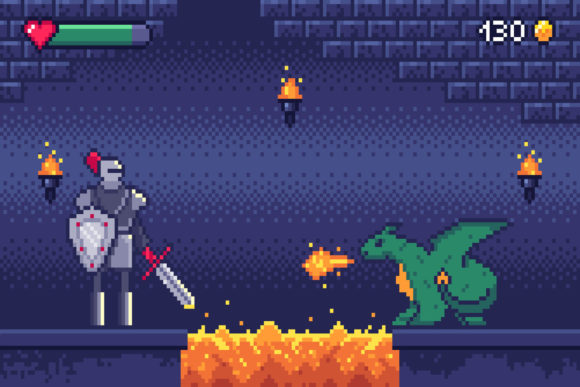
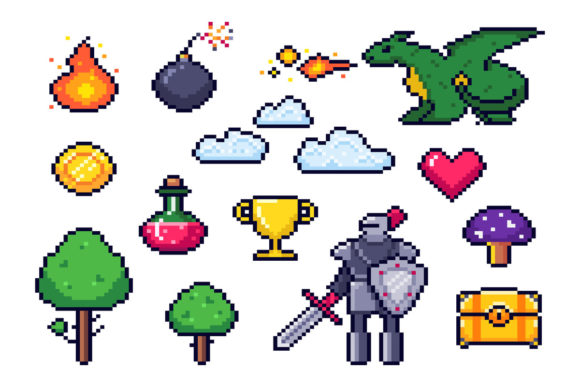
A typical Pixel Game Elements pack includes a wide variety of visual components. These can range from characters like pixelated warriors and 8-bit pixels dragons to environmental elements such as retro clouds, trees, and terrain tiles. Additionally, UI components like arcade pixelation gaming fire, heart, and potion icons are often included to support game mechanics and interface design.
- Pixelated Warrior: A staple character asset, often customizable and animated for combat or exploration sequences.
- 8-Bit Pixels Dragon: A fantasy-inspired enemy or ally, typically designed with a retro aesthetic to fit within pixel art worlds.
- Retro Game Clouds and Trees: Environmental elements that help establish the game's setting and atmosphere without overwhelming the visual space.
- Gaming Fire, Heart, and Potion Icons: Critical UI elements that communicate player status, power-ups, and health systems.
Practical Uses of Pixel Game Elements in Development
Pixel art continues to thrive due to its efficiency and charm. Developers often use Pixel Game Elements to reduce computational load while maintaining a visually appealing style. These assets are especially valuable for indie developers and small studios that need to create polished visuals without the overhead of high-resolution textures.
Creating Consistent Visual Narratives
When integrating pixel elements into a game, maintaining a cohesive visual style is crucial. For instance, using a pixelated warrior alongside retro trees and 8-bit pixels dragon ensures consistency in scale, color palette, and overall aesthetic. This helps immerse players in the game world and avoids jarring visual dissonance.
Optimizing for Performance and Scalability
Pixel art is inherently lightweight, making it ideal for mobile and web-based platforms. The Pixel Game Elements pack often includes assets in both vector (EPS10) and raster (JPEG 72ppi) formats, allowing developers to scale artwork without loss of quality. Vector files are especially useful for UI icons like arcade pixelation gaming fire and heart symbols, which may need resizing across different screen resolutions.
Asset File Structure and Editing Flexibility
Most Pixel Game Elements packages come with a well-organized file structure to streamline integration into development pipelines. Typically, each asset set includes:
- One vector EPS10 file: Ideal for editing individual components, adjusting colors, or reusing assets across different projects.
- One JPEG 72ppi preview file: A quick reference for how the elements appear together, useful for asset evaluation before import.
For customization, developers are encouraged to use vector editors like Adobe Illustrator or open-source alternatives such as Inkscape. This allows for fine-tuning of elements like the pixelated warrior’s pose or the flame intensity of an arcade pixelation gaming fire icon.
Customization Techniques for Enhanced Game Design
Editing pixel elements can significantly improve gameplay and visual appeal. For example, animating a static 8-bit pixels dragon with frame-by-frame editing can add life to a boss battle. Similarly, adjusting the color of a gaming heart icon can reflect different health states, enhancing UI feedback.
Target Users and Applications of Pixel Game Elements
The versatility of Pixel Game Elements makes them suitable for a wide range of users, from hobbyist developers to professional studios. Here’s a breakdown of how different groups can benefit:
Indie Developers
Small teams or solo developers often rely on pre-made asset packs to speed up production. Pixel art allows for rapid prototyping and iteration, making it easier to test mechanics and visuals without investing heavily in custom art.
Game Design Educators
For educators teaching game development, Pixel Game Elements serve as excellent teaching tools. They help students understand sprite animation, level design, and asset management without overwhelming complexity.
Mobile Game Creators
Given their low file size and scalability, pixel assets are ideal for mobile games. Whether creating a retro RPG or a fast-paced arcade title, developers can ensure smooth performance across devices.
Artists and Modders
Pixel artists can use these elements as a foundation for creating new assets or modifying existing ones. Modders can also integrate these icons and characters into existing games to refresh visuals or introduce new content.
Design Considerations When Using Pixel Game Elements
While Pixel Game Elements offer many advantages, there are several design considerations to keep in mind to ensure a polished and professional result:
Consistency in Style and Scale
Even within pixel art, different styles and resolutions can clash. When combining assets like a pixelated warrior with retro clouds or trees, it’s important to verify that they share the same grid alignment, color depth, and pixel density.
Animation and Frame Rate Compatibility
If using animated elements, ensure that the frame rate and animation loops are compatible with your game engine. For example, a dragon with 8-bit pixels animation might require specific timing to appear smooth in a Unity or Godot project.
Color Palette Limitations
Retro pixel art often uses limited color palettes. When integrating elements like arcade pixelation gaming fire or potion icons, consider whether they fit within your game’s established color scheme or if adjustments are needed.
Future Trends and Longevity of Pixel Game Elements
Despite advancements in 3D graphics and real-time rendering, pixel art remains a popular choice for developers seeking a distinct visual identity. The resurgence of retro aesthetics in games like Stardew Valley, Hollow Knight, and Celeste highlights the enduring appeal of pixel-based visuals.
Integration with Modern Tools and Engines
New tools and game engines are increasingly optimized for pixel art workflows. Platforms like Unity, Godot, and GameMaker Studio provide built-in support for pixel-perfect rendering, animation, and collision detection, making it easier than ever to integrate Pixel Game Elements into complex game systems.
Community and Asset Marketplaces
Online marketplaces such as Itch.io, the Unity Asset Store, and OpenGameArt.org offer extensive libraries of Pixel Game Elements. These platforms allow developers to access high-quality assets quickly while also contributing to a growing community of creators who share and collaborate on pixel art projects.
Conclusion
Incorporating Pixel Game Elements into your development workflow can significantly enhance both the efficiency and artistic quality of your game. From pixelated warriors and 8-bit pixels dragons to retro clouds, trees, and arcade UI icons, these assets offer a blend of nostalgia and practicality that appeals to a broad audience. Whether you're designing a mobile game, teaching game development, or modding an existing title, understanding how to effectively use and customize these elements is key to creating memorable and visually cohesive experiences.