Dice, Board Games, Dice Sets, and Dice Games: Choosing, Using, and Enhancing Your Experience
Whether you're designing a new board game, running a tabletop RPG session, or crafting custom game pieces, understanding the nuances of dice, board games, dice sets, and dice games is essential. These elements are more than just tools—they shape gameplay, influence outcomes, and contribute to the overall enjoyment of the experience. But without thoughtful selection and use, even the most creative game can fall short.
Common Missteps When Selecting Dice and Game Components
Many creators and players overlook the importance of quality when choosing dice and game components. A common mistake is opting for cheap, mass-produced dice that may be unbalanced or poorly labeled. This can lead to unfair rolls and frustrated players. Similarly, when building a board game from scratch, using generic or inconsistent art styles can make the game feel amateurish and reduce its appeal.
Another frequent oversight is not considering the type of dice needed for a specific game. For example, while a standard six-sided die works for many purposes, role-playing games often require polyhedral dice sets. Using the wrong format can hinder gameplay mechanics and confuse players unfamiliar with the system.
Overlooking File Formats When Designing Game Assets
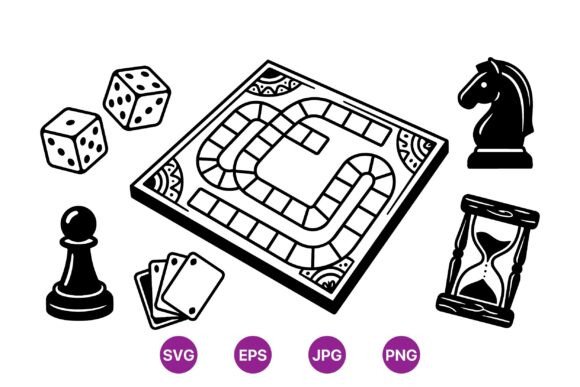
If you're creating or downloading dice graphics, board layouts, or cutout files for laser cutting or digital use, file format matters. Many users mistakenly download JPEGs when they actually need vector formats like SVG or EPS for scalability. This leads to pixelated images when resizing, which compromises the professional look of game components.
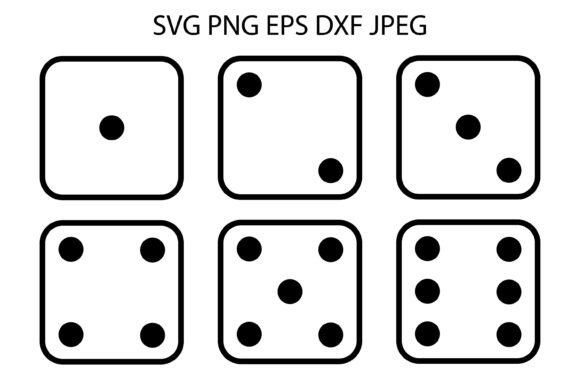
Similarly, some creators assume that all vector files are interchangeable. Silhouette 6, DXF 6, PNG 6—these are not just variations in file names. Each format serves a different purpose. SVG is ideal for web use and scalable graphics, while DXF is preferred for CAD and laser cutting. Knowing which format to choose ensures your designs translate well across physical and digital platforms.
Misunderstanding the Value of Instant Download Packages
Instant download options for dice sets, board game templates, and vector graphics are convenient, but not all are created equal. Some buyers assume that a package labeled “dice game graphics bundle” includes everything they need. In reality, it might lack critical components like rule cards, token templates, or editable vector files.
This oversight can lead to wasted time and money. Before purchasing, always check what's included in the download. Look for clear descriptions and previews. Reputable sellers often provide sample files or detailed lists of contents. If a download promises “everything you need” but doesn’t specify formats or components, it’s worth seeking more information before committing.
Poor Integration of Dice Mechanics in Game Design
One of the more subtle but impactful mistakes in game design is misusing dice mechanics. Some games rely too heavily on randomness, making player decisions feel irrelevant. Others underutilize dice, leading to predictable and unexciting gameplay. Striking the right balance is key to creating a game that feels fair, engaging, and strategic.
For example, a board game that uses dice only for movement can become frustrating if players feel their progress is entirely luck-based. Introducing modifiers, reroll options, or combining dice with card mechanics can add depth without overwhelming players. Always test your dice-based systems with different player types to ensure they enhance rather than hinder the experience.
Ignoring the Visual and Practical Aspects of Dice Sets
When selecting or designing a dice set, aesthetics and functionality should go hand in hand. It’s easy to fall for a visually striking set that’s difficult to read or doesn’t roll well. Translucent or overly ornate dice may look impressive but can be impractical during gameplay. Similarly, poorly spaced numbering or inconsistent sizing across a set can cause confusion and slow down play.
Consider how the dice will be used. For fast-paced games, readability and balance are more important than flashy design. For collectors or display purposes, unique materials or art styles might take precedence. Always test dice in real-world conditions before committing to a set for production or regular use.
Designing Without Accessibility in Mind
Accessibility is often overlooked in board game and dice game design. Players with visual impairments, color blindness, or motor difficulties may struggle with standard dice or board layouts. Using high-contrast colors, tactile indicators, and clearly marked dice faces can make a game more inclusive and enjoyable for a wider audience.
When designing vector graphics for dice or game boards, ensure that text is legible at various sizes and that symbols are distinct. If you're creating cutout files for physical components, consider how they will be handled—rounded edges, appropriate thickness, and proper spacing all contribute to a better user experience.
Final Checks Before Committing to a Dice or Game Purchase
Before downloading, printing, or buying dice sets or board game components, take a few key steps to avoid disappointment. First, verify the file formats and ensure they match your intended use. If you're using Silhouette 6 or DXF 6 files, confirm that your software or cutting machine supports them.
Second, read reviews or look for user feedback on the product. This is especially important for instant downloads, where quality can vary significantly between sellers. Look for clear communication from the seller about what’s included and any known issues or limitations.
Finally, test your components when possible. Print a sample of game cards or test a downloaded dice graphic at actual size to ensure clarity and fit. If you're designing your own dice or game boards, use templates that match standard sizes to avoid compatibility issues with storage or packaging.
Conclusion
Whether you're a game designer, hobbyist, or casual player, understanding the details of dice, board games, dice sets, and dice games can elevate your experience. By avoiding common pitfalls—like choosing the wrong file formats, misunderstanding game mechanics, or overlooking accessibility—you’ll create or enjoy games that are more polished, functional, and enjoyable. Take the time to research, test, and plan ahead, and you’ll be rewarded with better results and happier players.