Bubble Game: A Playful Design Tool for Creatives and Entrepreneurs
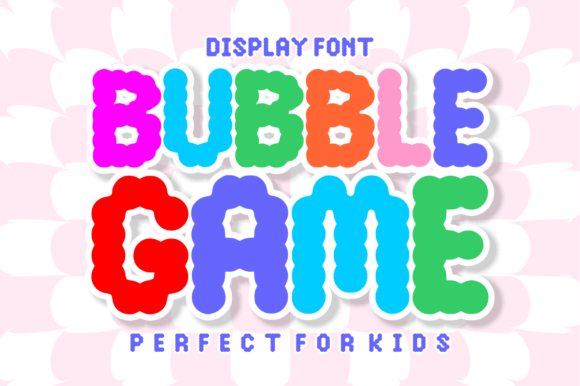
Designers, marketers, and creators constantly seek tools that blend functionality with personality. Bubble Game is one such asset — a bold, rounded display font with scalloped edges that evoke a soft, energetic charm. It’s more than just a font; it’s a design decision that enhances visual appeal while supporting clarity and brand recognition. Whether you're building digital content, crafting physical products, or planning marketing materials, integrating Bubble Game into your workflow can elevate your creative output with minimal effort.
Understanding Bubble Game’s Design Characteristics
Bubble Game stands out due to its thick, rounded letterforms and uniquely scalloped outlines. These features create a “cloud-like” appearance that’s both soft and dynamic. Unlike standard bubble fonts, which often feel generic, Bubble Game's distinct edges and heavy weight ensure it catches the eye without overwhelming the viewer. This makes it especially effective for designs targeting younger audiences or those aiming for a lighthearted tone.
The font’s high contrast and boldness ensure legibility even at small sizes or from a distance, which is essential when designing for physical products like stickers, apparel, or signage. Its structure also supports clean, precise cutting for crafters using machines like Cricut or Silhouette, making it a versatile option for both digital and physical design workflows.
How Bubble Game Fits Into Creative and Business Workflows
Incorporating Bubble Game into your design process can happen at multiple stages — from ideation to final output. Early in a project, it can help define the tone of a brand or campaign. During execution, it supports visual consistency across platforms. And in post-production, it contributes to a polished, recognizable aesthetic that resonates with audiences.
- Pre-Design Planning: When developing a visual identity for a new product or campaign, Bubble Game can serve as a foundational element that informs color choices, layout, and overall style direction.
- Design Execution: Whether you're working in Adobe Illustrator, Canva, or Procreate, Bubble Game integrates smoothly into most design software. Its clear outlines and bold weight make it ideal for layering over images or using as a standalone headline element.
- Final Output: From print-on-demand items to digital marketing assets, Bubble Game maintains its clarity and impact across mediums, ensuring a professional finish.
Use Cases Across Industries and Platforms
One of the strengths of Bubble Game is its adaptability. It works well across a range of industries and platforms, particularly where a playful, approachable tone is desired. Here are some practical applications:
- Kids’ Branding and Products: Ideal for toy packaging, nursery decor, and children’s book titles. Its readability and whimsical design help create a welcoming visual language.
- Gaming and Streaming Content: Enhances thumbnails, overlays, and branding for Twitch, YouTube, or Discord. The boldness ensures visibility even in fast-moving visuals.
- Event and Party Design: Perfect for birthday invitations, banners, and cake toppers. The font’s energetic look adds a celebratory feel.
- Educational Materials: Helps engage younger students in classroom posters, flashcards, and learning games. Its clarity supports early literacy and visual learning.
Integrating Bubble Game with Other Tools and Assets
Design doesn’t happen in isolation. Bubble Game works best when combined with complementary tools and assets. Here’s how to integrate it effectively:
- Color Pairing: Use Bubble Game with bright, saturated colors to enhance its playful nature. Alternatively, pair it with pastels for a softer, modern aesthetic.
- Layering in Design Software: In Photoshop or Illustrator, use layer effects like drop shadows or outlines to make Bubble Game stand out against complex backgrounds.
- Print and Cut Compatibility: For crafters using cutting machines, ensure the font’s outlines are clean and closed to avoid cutting errors. Test with a small sample before committing to large prints.
- Web and App Design: While primarily a display font, Bubble Game can be used sparingly in UI design for buttons or call-to-action elements where a fun tone is appropriate.
Workflow Efficiency and Consistency Tips
Using Bubble Game effectively requires more than just installing the font. To maintain efficiency and consistency throughout your design process, consider the following:
- Create a Style Guide: Define how Bubble Game should be used across different materials — including size, spacing, and color variations — to maintain brand consistency.
- Organize Font Files: Keep Bubble Game in a dedicated folder with other display fonts to avoid confusion during design sessions.
- Test Across Mediums: Always preview Bubble Game in both digital and print formats to ensure it renders clearly and retains its visual appeal.
- Batch Processing: If designing multiple items (e.g., a set of party invitations), use templates and batch export features in design tools to speed up production without sacrificing quality.
Long-Term Value and Adaptability
Fonts are long-term investments in your creative toolkit. Bubble Game’s combination of visual appeal and functional design ensures it remains useful across multiple projects and evolving trends. Whether you're a small business owner creating branded merchandise or a content creator updating your channel’s visuals, Bubble Game adapts without losing its relevance.
Its scalability also makes it future-proof. As design trends shift toward more personalized and expressive typography, Bubble Game’s distinctive look continues to stand out. Additionally, because it’s optimized for both digital and physical use, you can confidently reuse it across different platforms without needing to source alternative fonts.
Quality Control and Best Practices
To get the most from Bubble Game, follow these best practices to ensure quality and consistency:
- Check Kerning and Spacing: Bubble Game is well-designed, but always review spacing between letters, especially in headlines or logos.
- Avoid Overuse: Due to its strong visual presence, use Bubble Game selectively to avoid overwhelming your audience.
- Respect Licensing: Make sure you understand the font’s usage rights, especially if you're using it for commercial products or digital distribution.
- Update Your Library: Periodically revisit your font collection to ensure Bubble Game remains compatible with your tools and workflows.
Conclusion: Making Bubble Game a Staple in Your Design Toolkit
Bubble Game is more than a stylistic choice — it’s a functional asset that enhances communication, brand identity, and creative expression. By understanding how it fits into your workflow and how to pair it with other tools and design elements, you can leverage its strengths to create more engaging, memorable visuals. Whether you're designing for a client, your own brand, or a personal project, Bubble Game offers a reliable, adaptable solution that adds both fun and clarity to your work.